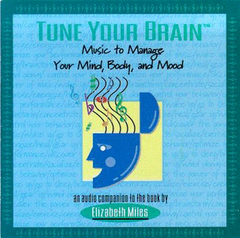
The New York Times reports on interesting research in Austria on concentrated musical prescriptions for specific medical conditions. I'm not sure that I buy the title of "musical pharmocologist," especially when donned by a former music promoter with no scientific credentials. This is the sort of talk that makes people understandably leery of serious discussion of the mind-body-music connection. But the research is exciting, as is any occasion when the Times deigns to dedicate a full page spread to the topic.
I, of course, love to Heal with Bach.
Sunday, April 26, 2009


Sunday, January 18, 2009
Yes We Can -- Instant Mood Boost!
Michael Franti's ska-fired celebration is one of the best mood boosts of the Obama songs out there.
http://www.stayhuman.org/media/audio/Obama_Song.mp3
The video is here:
http://www.youtube.com/watch?v=jd9xU8cw1JE
Play as needed for the next four years.
http://www.stayhuman.org/media/audio/Obama_Song.mp3
The video is here:
http://www.youtube.com/watch?v=jd9xU8cw1JE
Play as needed for the next four years.
Monday, October 6, 2008
Friday, August 29, 2008
Is Music a Gateway Drug?
Oh, please.
Here's a hysterical (in both senses of the word) USA Today article warning parents against the dangers of audio "drugs" -- to be precise, digital recordings of rhythmic beats channeled into the listener's left and right headphones in a staggered pattern -- available on the Internet. It sounds a lot like the worries of white oldsters, when R&B swept the nation in the 1950s, that the music's "jungle rhythms" would drive all who heard it to rampant promiscuity and ruin. We seem to have survived that aural assault on our brainwaves with civilization intact.
Much as I may trumpet the measurable effects of music on the body and brain, and wax on about how to use them, I'm going to go out on a limb here and say that no amount of sound-induced brainwave activity is going to match the effect of ingesting lysergic acid, or cause an otherwise teetotalling listener to suddenly hit the streets searching for the man.
I recommend that the article's author calm down and relax to, say, some mellow Norah Jones. Though it might just turn her into a pothead.
Here's a hysterical (in both senses of the word) USA Today article warning parents against the dangers of audio "drugs" -- to be precise, digital recordings of rhythmic beats channeled into the listener's left and right headphones in a staggered pattern -- available on the Internet. It sounds a lot like the worries of white oldsters, when R&B swept the nation in the 1950s, that the music's "jungle rhythms" would drive all who heard it to rampant promiscuity and ruin. We seem to have survived that aural assault on our brainwaves with civilization intact.
Much as I may trumpet the measurable effects of music on the body and brain, and wax on about how to use them, I'm going to go out on a limb here and say that no amount of sound-induced brainwave activity is going to match the effect of ingesting lysergic acid, or cause an otherwise teetotalling listener to suddenly hit the streets searching for the man.
I recommend that the article's author calm down and relax to, say, some mellow Norah Jones. Though it might just turn her into a pothead.
Tuesday, April 29, 2008
Mix Tapes -- Where It All Began
Tune Your Brain was basically born of mix tapes. Not only did I get hooked on the power of music-mood sequencing by the mix tapes I made and received in my formative years, but I actually created the Tune Your Brain CDs by the prehistoric process of exchanging mix tapes in the mail with my collaborator at Deutsche Grammophon. The results may be digital-slick CDs with liner books and flashy art stamped on the disc, but the beginnings were old school. Conceived and created in real time with painstaking fast forward rewinding care.
So I chimed with the San Francisco Chronicle's loving coverage of the mix tape on Sunday. From a lamentation for the mix tape's demise to personal mix tape tales, book references, and links to web sites catering to mixologists of the musical type, the Chron made me miss days gone and be glad for the mixes I've made, braintuning and otherwise. I could spend hours messing around on The Art of the Mix site. Couldn't you?
So I chimed with the San Francisco Chronicle's loving coverage of the mix tape on Sunday. From a lamentation for the mix tape's demise to personal mix tape tales, book references, and links to web sites catering to mixologists of the musical type, the Chron made me miss days gone and be glad for the mixes I've made, braintuning and otherwise. I could spend hours messing around on The Art of the Mix site. Couldn't you?
Sunday, April 6, 2008
Musicophilia - Music in Your Mind
I've always had a case of music in the mind. Sometimes I invite my inner soundtrack, when I decide to ease tension or cure boredom by mentally practicing a clarinet piece, or accompany a walk with a song sung inside my head. But sometimes I don't. Music barges into my mind uninvited, playing itself out loud when I might prefer silence, sometimes taking me back in time to events I hadn't been thinking about and didn't particularly want to, sometimes just getting in the way. I always thought my mind music was a natural outcome of having spent much of my life and career attuned to music, and, outside my research for Tune Your Brain, paid little attention.
But lately it's gotten worse.
I sleep with a white noise machine, which does wonders for my insomnia and sensitivity to other, non-white noise. But several nights of late I've woken up thinking I'm going mad as classical music comes out of the white noise machine -- entire if inchoate orchestras, with moving melody lines and string sections bowing along. I have to sit up and put my ear to the machine to settle all the sounds and colors back into the single blended spectrum of white. Sometimes, as soon as I lie down again the music comes back, as if it had just ducked behind a tree when I went to examine the source and, like a playful Puck, plans to dance on my head all night long.
My eine kleine nachtmusik is still irritating but much less worrisome after reading Chapters 4-6 of Oliver Sacks' Musicophilia. (These are "Music on the Brain: Imagery and Imagination," "Brainworms, Sticky Music, and Catchy Tunes," and "Musical Hallucinations.") Sacks tells us about his own internal music, born of his habit of obsessively playing the same recordings over and over for a period of time, during which those pieces continue to play internally when the external source has gone silent. He describes "earworms," those annoying tunes and jingles that play over and over in your head and bear a remarkable resemblance to an epileptic seizure (check out the top ten earworms). And finally, the phenomenon that explains the orchestra inside my white noise machine at night, musical hallucinations. Musical hallucinations are episodes where music spontaneously plays itself in the brain -- not just a simple repeated phrase, like an earworm, but full-blown music. They appear to be particularly common in people who have lost their hearing, suggesting a compensatory measure (though horribly intrusive and crude for some) in which the brain simply won't settle for an absence of music.
Research done by Robert Zatorre and others shows that imagining music activates the brain in much the same way as listening to it does. In other words, you don't need a band or an iPod to experience the act of listening to music in your mind. You can do it yourself without making a sound.
But why does music sometimes generate itself in the brain when you don't even try? NYU neuroscientist Rodolfo Llinas postulates that the brain cells in the basal ganglia that drive our movements are constantly playing riffs for routine motions like brushing our teeth, and that when one of these motor riffs unexpectedly fires into the thalamocortical system, it can set off mind music. On the flip side, imagining music stimulates the motor cortex. Psychiatrist Anthony Storr has written that playing music in your mind from memory is "biologically adaptive" because it coordinates movements, boosts energy, and may unleash repressed thoughts.
Braintuning Tip
With imagined music having similar neurological effects as what you hear through your ears, you may be able to achieve braintuning effects without speakers or CDs by imagining the music that supports the mind-body-mood state you want. In other words, make your brain your iPod.
Sacks describes rowing himself down the mountain on his arms after he lost use of his leg in a bad climbing accident, by imagining marching and rowing songs synchronized with his arm
movements. After he was rescued, he went on to teach himself to walk again by playing Mendelssohn's Violin Concerto in E minor in his head to coordinate the rhythms of his akimbo legs. Less dramatically, he now synchs up his strokes and kicks when he swims to imagined waltzes by Strauss.
Since the mind music-motor connection is strong, physical activity is a good place to try your first mental braintuning. Use Energizing principles to choose some tunes that match your movements and experiment away -- your playlist is limited only by your memory, and you can easily adjust the tempo to match your pace. Try a stress break with some Relaxing music from your mental repertoire. Have some Healing music cued up in your memory for your next visit to the doctor. Decide which Cleansing tune you'll call on when someone cuts you off in traffic. And so on. Keep a list of your mental braintuning favorites by category, so you can grow your inner playlists and keep them top of mind.
But lately it's gotten worse.
I sleep with a white noise machine, which does wonders for my insomnia and sensitivity to other, non-white noise. But several nights of late I've woken up thinking I'm going mad as classical music comes out of the white noise machine -- entire if inchoate orchestras, with moving melody lines and string sections bowing along. I have to sit up and put my ear to the machine to settle all the sounds and colors back into the single blended spectrum of white. Sometimes, as soon as I lie down again the music comes back, as if it had just ducked behind a tree when I went to examine the source and, like a playful Puck, plans to dance on my head all night long.
My eine kleine nachtmusik is still irritating but much less worrisome after reading Chapters 4-6 of Oliver Sacks' Musicophilia. (These are "Music on the Brain: Imagery and Imagination," "Brainworms, Sticky Music, and Catchy Tunes," and "Musical Hallucinations.") Sacks tells us about his own internal music, born of his habit of obsessively playing the same recordings over and over for a period of time, during which those pieces continue to play internally when the external source has gone silent. He describes "earworms," those annoying tunes and jingles that play over and over in your head and bear a remarkable resemblance to an epileptic seizure (check out the top ten earworms). And finally, the phenomenon that explains the orchestra inside my white noise machine at night, musical hallucinations. Musical hallucinations are episodes where music spontaneously plays itself in the brain -- not just a simple repeated phrase, like an earworm, but full-blown music. They appear to be particularly common in people who have lost their hearing, suggesting a compensatory measure (though horribly intrusive and crude for some) in which the brain simply won't settle for an absence of music.
Research done by Robert Zatorre and others shows that imagining music activates the brain in much the same way as listening to it does. In other words, you don't need a band or an iPod to experience the act of listening to music in your mind. You can do it yourself without making a sound.
But why does music sometimes generate itself in the brain when you don't even try? NYU neuroscientist Rodolfo Llinas postulates that the brain cells in the basal ganglia that drive our movements are constantly playing riffs for routine motions like brushing our teeth, and that when one of these motor riffs unexpectedly fires into the thalamocortical system, it can set off mind music. On the flip side, imagining music stimulates the motor cortex. Psychiatrist Anthony Storr has written that playing music in your mind from memory is "biologically adaptive" because it coordinates movements, boosts energy, and may unleash repressed thoughts.
Braintuning Tip
With imagined music having similar neurological effects as what you hear through your ears, you may be able to achieve braintuning effects without speakers or CDs by imagining the music that supports the mind-body-mood state you want. In other words, make your brain your iPod.
Sacks describes rowing himself down the mountain on his arms after he lost use of his leg in a bad climbing accident, by imagining marching and rowing songs synchronized with his arm
movements. After he was rescued, he went on to teach himself to walk again by playing Mendelssohn's Violin Concerto in E minor in his head to coordinate the rhythms of his akimbo legs. Less dramatically, he now synchs up his strokes and kicks when he swims to imagined waltzes by Strauss.
Since the mind music-motor connection is strong, physical activity is a good place to try your first mental braintuning. Use Energizing principles to choose some tunes that match your movements and experiment away -- your playlist is limited only by your memory, and you can easily adjust the tempo to match your pace. Try a stress break with some Relaxing music from your mental repertoire. Have some Healing music cued up in your memory for your next visit to the doctor. Decide which Cleansing tune you'll call on when someone cuts you off in traffic. And so on. Keep a list of your mental braintuning favorites by category, so you can grow your inner playlists and keep them top of mind.
The way the brain works makes imagining music a tangible experience of music itself. In a very real sense, even if you're more a "passive" consumer - someone who listens to music made by other people -- than an "active" performer, music resides within us all.
Sunday, March 30, 2008
Musicophilia - Sacks Is Back on the Brain-Music Trail
I've been delighted to see Oliver Sacks' book Musicophilia get widespread media attention and popular support. Dr. Sacks' earlier work was pivotal in turning me to mine. Before PET scans, MRIs, and other brain imaging technologies came along to start to shed light on the structural sources of music's profound and diverse powers, Dr. Sacks was telling the tale in human terms -- for instance, in The Man Who Mistook His Wife for a Hat, first out in 1985. Now, with the technological revolution in brain research well underway, Dr. Sacks is back with a book that brings new discoveries to bear (mostly in footnotes) but still focuses, insistently, on the human experience of music's workings on the brain, and the brain's workings on music.
I may be six months late in chiming into the commentary on the book, while I read and absorbed it and did a lot of other things, but this is a work with legs to last through time. So without worries that Musicophilia's fifteen minutes have flown, comment I will -- a bit at a time, as relates to braintuning principles, or not.
In Chapter 1, "A Bolt from the Blue: Sudden Musicophilia," Dr. Sacks examines people whose musical response or even talent intensify dramatically after a brain event. His centerpiece is a surgeon, medically adept but a music know-nothing, who gets struck by lightning, develops an unprecendented longing for piano music, and becomes an acclaimed concert pianist and composer -- as an adult and in fairly short order. If you've ever struggled away at the keyboard and cursed your parents for failing to give you piano lessons in your formative early years, perhaps you should keep an eye out for electrical storms.
This example and others in the chapter show how deeply interwoven our musical response is with our individual brain wiring, and how widely the results can vary between people. Brain differences may well account for at least some aspects of musical talent, and it seems less than far-fetched to think that our neural wiring may also affect our musical preferences, helping to explain how two siblings growing up in the same household at the same time can come out with a taste for Beethoven on the one hand and Limp Bizkit on the other. Trust me, it happens.
Ethnomusicologists and scientists wonder a lot about musical preferences, which can serve to unite and divide alike. As I've previously blogged about, research suggests a correlation between musical preferences and personality (at least within a single musical culture, which I won't try to define here). A common something underlies our individual responses both to music and to life at large. Taken a step further, music not only manifests individually in brain, but in some way lies at the core of our being as a self in the world.
Find out more about what your musical preferences say about you by taking the Short Test of Musical Preferences (STOMP - be careful not to scroll below the line to the scoring portion before you've completed the scale), then comparing your score to various sectors of the population.
I may be six months late in chiming into the commentary on the book, while I read and absorbed it and did a lot of other things, but this is a work with legs to last through time. So without worries that Musicophilia's fifteen minutes have flown, comment I will -- a bit at a time, as relates to braintuning principles, or not.
In Chapter 1, "A Bolt from the Blue: Sudden Musicophilia," Dr. Sacks examines people whose musical response or even talent intensify dramatically after a brain event. His centerpiece is a surgeon, medically adept but a music know-nothing, who gets struck by lightning, develops an unprecendented longing for piano music, and becomes an acclaimed concert pianist and composer -- as an adult and in fairly short order. If you've ever struggled away at the keyboard and cursed your parents for failing to give you piano lessons in your formative early years, perhaps you should keep an eye out for electrical storms.
This example and others in the chapter show how deeply interwoven our musical response is with our individual brain wiring, and how widely the results can vary between people. Brain differences may well account for at least some aspects of musical talent, and it seems less than far-fetched to think that our neural wiring may also affect our musical preferences, helping to explain how two siblings growing up in the same household at the same time can come out with a taste for Beethoven on the one hand and Limp Bizkit on the other. Trust me, it happens.
Ethnomusicologists and scientists wonder a lot about musical preferences, which can serve to unite and divide alike. As I've previously blogged about, research suggests a correlation between musical preferences and personality (at least within a single musical culture, which I won't try to define here). A common something underlies our individual responses both to music and to life at large. Taken a step further, music not only manifests individually in brain, but in some way lies at the core of our being as a self in the world.
Find out more about what your musical preferences say about you by taking the Short Test of Musical Preferences (STOMP - be careful not to scroll below the line to the scoring portion before you've completed the scale), then comparing your score to various sectors of the population.
Monday, January 14, 2008
More Music for Your Workout
The New York Times provides a reminder about that delicious, nutritious ingredient in meeting your new year's fitness resolutions -- music. "They're Playing My Song" describes a scale for rating the motivational power of music, called the Brunel Music Rating Inventory, developed by British doctor Costas Karageorghis. The components of great music to motivate exercise, according to the BMRI, should sound familiar to those of you who Energize in braintuning style: strong rhythm, positive mood, personal preference, variety, a playback system that blocks interfering sounds, and -- oh wait a minute.
The NYT piece doesn't hit the most important point until the bottom of the page: To optimize music's entrainment effect, you need to match the beats per minute of the music boasting all the above qualities to the speed of your movements. Reserve the 120-140 BPM range the NYT recommends for power walking and the breast stroke, and when it's time to run (unless like molasses in January), push the pace to 160 BPM or above.
I'm happy to say I don't know the BPM of Wham's "Wake Me Up Before You Go-Go" offhand, but if that tune passes your personal preference test, count away.
The NYT piece doesn't hit the most important point until the bottom of the page: To optimize music's entrainment effect, you need to match the beats per minute of the music boasting all the above qualities to the speed of your movements. Reserve the 120-140 BPM range the NYT recommends for power walking and the breast stroke, and when it's time to run (unless like molasses in January), push the pace to 160 BPM or above.
I'm happy to say I don't know the BPM of Wham's "Wake Me Up Before You Go-Go" offhand, but if that tune passes your personal preference test, count away.
Sunday, December 23, 2007
Merry Christmas
The Drifters melodiously wish for a Christmas that's white -- a nice nostalgia break after too much time with the new Wii.
http://www.thecompassgroup.biz/merryxmas.swf
http://www.thecompassgroup.biz/merryxmas.swf
Sunday, November 11, 2007
Tunes to Defy the Headphone Ban
In an update to last week's entry, I just stumbled across an unexpected running tune. Keep the beat with your feet to Marvin Gaye's "Let's Get It On," and according to the treadmill, you'll clock 11-minute miles. That's hot. (Whether you're defying a headphone ban or not.)
Sunday, November 4, 2007
Music for Your Marathon
The group that manages marathons around the country has finally figured it out: music gives athletes a competitive edge. So suddenly impressed is USA Track & Field by this fact that they've taken the unprecedented step of banning portable music players from marathons.
The ban has led to a rumpus on both sides of the issue. Old-schoolers who think music is anathema to a marathon competition, not least because of the performance boost, love the ban. New-schoolers are so devoted to their musical running partner that they're risking disqualification by defying the ban in droves.
Fortunately you remain free to wear earbuds at the gym or running around the local reservoir (for which you want open construction headphones that let you hear cars and such). Depending on your pace, your running tunes should clock in around 160-170 beats per minute and have Energizing characteristics. Build a playlist with your favorites and play it on shuffle so you can't predict the segues -- surprise adds to the energizing effect. A recent addition to my list (which I'm not admitting to my friends lapping up the new Radiohead) is "Hold My Hand" by Hootie and the Blowfish. It's the right speed to set the pace and spur endurance, and with Hootie intoning "I will run with you," the steps fly by.
You can get New York Times readers' favorite workout tunes, along with lots of comments on the headphone ban, here.
Tuesday, June 26, 2007

Sunday, June 24, 2007
This Is Your Brain on Money
This is your brain on money: Write a check to charity, get a pleasure hit. Sell your sorry old Ford stock at a loss instead of your high-flying Google shares at a gain, and feel a deep pain in your brain that belies the fact that dumping the loser is the smart thing to do. Folks, welcome to neuroeconomics, a recent entry in the quest to link up brain structures and functions with how we are as humans.
Scientists are using MRI technology -- the same machines that have yielded much insight about how music works in the brain -- to study the brain centers involved in making money decisions. The results are standing the dismal science on its head. It turns out we might not make getting and spending choices in the rational way economists presume. Our money-related behavior may stem instead from rather irrational responses to pleasure and pain.
First, on why you'd sell Google and hold Ford: Behavioral studies show that people feel the pain of an economic loss about twice as much as the pleasure of an economic gain -- and recent research suggests it may be your brain to blame. In a study that used MRI to peek at the brains of people making gambling decisions, researchers found that as the potential for gains rose, the participants showed increased activity in the brain's dopamine systems. As the potential for losses increased, on the other hand, activity decreased. Dopamine is a neurotransmitter released not by higher thought, but by things like eating food, having sex, and taking drugs. Apparently, the prospect of losing yummy dopamine is significantly more terrible than getting more is good, and this drives our financial decisions.
Another recent study reported in the journal Science used MRIs to discover that giving money to charity lights up brain areas called the nucleus accumbens and the caudate nucleus -- pleasure centers, again, which might help explain why we give money away when any rational economic maximizer would keep it for herself.
Could we get an MRI study that introduces music into the mind-money equation? Retailers have long known that playing Energizing music makes consumers buy more, which may relate to the increased brain wave activity, confidence and drive to do that Energizing music can cause.
If your brain on money is less rational than you might like, counter by putting your brain on the right type of music. I recommend preserving your assets by doing all your online shopping and banking to the strains of Relaxing music. When it's time to do taxes or work up a budget, Focus music keeps the clear-thinking alpha brain waves flowing. But though it may make you spend more, feel free to let the Uplifting music rip when writing checks to charity. You deserve to feel good when doing good.
Scientists are using MRI technology -- the same machines that have yielded much insight about how music works in the brain -- to study the brain centers involved in making money decisions. The results are standing the dismal science on its head. It turns out we might not make getting and spending choices in the rational way economists presume. Our money-related behavior may stem instead from rather irrational responses to pleasure and pain.
First, on why you'd sell Google and hold Ford: Behavioral studies show that people feel the pain of an economic loss about twice as much as the pleasure of an economic gain -- and recent research suggests it may be your brain to blame. In a study that used MRI to peek at the brains of people making gambling decisions, researchers found that as the potential for gains rose, the participants showed increased activity in the brain's dopamine systems. As the potential for losses increased, on the other hand, activity decreased. Dopamine is a neurotransmitter released not by higher thought, but by things like eating food, having sex, and taking drugs. Apparently, the prospect of losing yummy dopamine is significantly more terrible than getting more is good, and this drives our financial decisions.
Another recent study reported in the journal Science used MRIs to discover that giving money to charity lights up brain areas called the nucleus accumbens and the caudate nucleus -- pleasure centers, again, which might help explain why we give money away when any rational economic maximizer would keep it for herself.
Could we get an MRI study that introduces music into the mind-money equation? Retailers have long known that playing Energizing music makes consumers buy more, which may relate to the increased brain wave activity, confidence and drive to do that Energizing music can cause.
If your brain on money is less rational than you might like, counter by putting your brain on the right type of music. I recommend preserving your assets by doing all your online shopping and banking to the strains of Relaxing music. When it's time to do taxes or work up a budget, Focus music keeps the clear-thinking alpha brain waves flowing. But though it may make you spend more, feel free to let the Uplifting music rip when writing checks to charity. You deserve to feel good when doing good.
Sunday, March 25, 2007
Don't Let Music Overload Your Multitasking Brain
The New York Times reports today on the toll that the trend towards multitasking is taking on brain performance. In a world of cell phones, instant messaging, e-mails, and multi-windowed browsers bringing millions of web sites to your desktop, serious brainwork has to squeeze in edgewise. Don't let your iPod (or other music playback device) become part of the problem.
As the Times correctly reports, music with lyrics can interfere with cognitive processing for certain tasks. So can music that is too complex, loud, or emotional, and music that you don't like. When you listen to demanding or disturbing music while also trying to think, read, or learn, you create what scientists call a dual task paradigm. You can just call it a distraction. This effect can be more pronounced when listening over headphones -- so with the wrong playlist, your iPod could make you more prone to mistakes and less efficient.
On the other hand, the right kind of music can actually help you concentrate, by blocking out other distractors and generating alpha brain waves. Just reverse the checklist above -- choose instrumental music (no lyrics) with steady pace and volume. Make sure the sound pleases you without demanding your attention. Dial down the volume until the music melts into the background and your thought process takes center stage.
As the Times correctly reports, music with lyrics can interfere with cognitive processing for certain tasks. So can music that is too complex, loud, or emotional, and music that you don't like. When you listen to demanding or disturbing music while also trying to think, read, or learn, you create what scientists call a dual task paradigm. You can just call it a distraction. This effect can be more pronounced when listening over headphones -- so with the wrong playlist, your iPod could make you more prone to mistakes and less efficient.
On the other hand, the right kind of music can actually help you concentrate, by blocking out other distractors and generating alpha brain waves. Just reverse the checklist above -- choose instrumental music (no lyrics) with steady pace and volume. Make sure the sound pleases you without demanding your attention. Dial down the volume until the music melts into the background and your thought process takes center stage.
- Pick: Vivaldi's Guitar Concertos are a great counter to information overload -- and all the better when performed by the legendary Romero brothers and on sale at amazon!
Sunday, March 11, 2007
Spring Ahead: Music to Reset Your Sleep Clock
I'm a light junkie. I sit in the sun, keep the blinds open, drive a double-moonroofed Mini, and live in an (almost) glass house. So today, I'm delighted. Congress, in its wisdom, has saved the daylight by legislative fiat, giving us each an extra hour of luminescence every evening from now until the darkening days of fall.
But, sadly, Congress didn't see fit to also change the time the workday starts tomorrow. So somehow we all have to get to sleep at our usual bedtime tonight despite it being an hour premature and following so close on the heels of sundown.
If the excitement of seeing daylight after dinner has you still buzzing at bedtime, use music to reset your sleep clock tonight, and every night until you're back on track. Start by turning the TV off before you get ready for bed, switching to some soft music instead. Then, pick a comfortable spot -- bed or somewhere else -- to dim the lights, lie down, and listen to ten minutes of Relaxing music at a satisfying volume. Don't talk, read, or run through your to-do list. Just listen. This will slow down your brain waves and evoke the relaxation response.
But, sadly, Congress didn't see fit to also change the time the workday starts tomorrow. So somehow we all have to get to sleep at our usual bedtime tonight despite it being an hour premature and following so close on the heels of sundown.
If the excitement of seeing daylight after dinner has you still buzzing at bedtime, use music to reset your sleep clock tonight, and every night until you're back on track. Start by turning the TV off before you get ready for bed, switching to some soft music instead. Then, pick a comfortable spot -- bed or somewhere else -- to dim the lights, lie down, and listen to ten minutes of Relaxing music at a satisfying volume. Don't talk, read, or run through your to-do list. Just listen. This will slow down your brain waves and evoke the relaxation response.
- Pick: Fila Brazillia, Soft Music Under Stars on Asian Travels (Six Degrees).
Tuesday, February 13, 2007
What Your Playlist Says About You
Swapping top tunes is a time-honored way to chitchat - and it turns out that this may be more than mere talk to fill the empty air. PsyBlog posted recently about why we talk about music when we meet new people. Research says that our top ten song list provides good predictors of three out of five key personality elements, and offers info you're otherwise unlikely to get from a stranger.
The so-called Big Five personality traits are extraversion, agreeableness, conscientiousness, emotional stability, and openness. Good things to know about. According to PsyBlog, openness to experience is the trait communicated best by your top ten tunes. I haven't been able to dig up the current article, but here's an earlier article on the topic by the same authors.
By posing the question differently, researchers have also discovered that our personalities shape our musical tastes. The same five personality factors influence how we feel about tempo, rhythm, number of melodic themes, sound volume, and meter.
If you're not discussing the Billboard charts on dates and at job interviews, maybe it's time to start.
The so-called Big Five personality traits are extraversion, agreeableness, conscientiousness, emotional stability, and openness. Good things to know about. According to PsyBlog, openness to experience is the trait communicated best by your top ten tunes. I haven't been able to dig up the current article, but here's an earlier article on the topic by the same authors.
By posing the question differently, researchers have also discovered that our personalities shape our musical tastes. The same five personality factors influence how we feel about tempo, rhythm, number of melodic themes, sound volume, and meter.
If you're not discussing the Billboard charts on dates and at job interviews, maybe it's time to start.
Saturday, January 20, 2007
Your Music in Your Time?
How do you listen to your music in your life? You get a recording of it and play it when you're ready. Right?
The latest volley in the debate that's raged ever since consumers got access to recording technology seeks to limit your ability to "time-shift" -- that is, play your music when you want to hear it. This time the question is whether it's okay to record satellite radio onto a special MP3 player that lets you listen to it later. Listening Post places this development in context, which might calm you or make you crazy, depending on your view of the unstable state of digital copyright.
While we wait for the litigants to duke it out, I just love the time-shifted music available by podcast at KCRW's Today's Top Tune.
The latest volley in the debate that's raged ever since consumers got access to recording technology seeks to limit your ability to "time-shift" -- that is, play your music when you want to hear it. This time the question is whether it's okay to record satellite radio onto a special MP3 player that lets you listen to it later. Listening Post places this development in context, which might calm you or make you crazy, depending on your view of the unstable state of digital copyright.
While we wait for the litigants to duke it out, I just love the time-shifted music available by podcast at KCRW's Today's Top Tune.
Sweet Dreams for Teens - and the Rest of Us
The other morning, as I tried to defog after a night of too much work and too few dreams, I heard sleep doctor Helene Ensellem worrying on NPR that teenagers aren't getting enough sleep.
"Teenagers?!" I yelled at the cat, my adult responsibilities weighing heavy on my eyelids. Whatever.
I cheered up when I heard Dr. Ensellem give some classic braintuning advice: Set a nightly cut-off time for all electronic devices -- except the ones that play music. "I encourage teens to listen to music at night, and make a playlist that's soothing," Emsellem says. Well done. But the doctor need not limit her wise advice to any particular age range. In a sleep-deprived nation, we should all make relaxing music de rigeur at bedtime.
Some favorites from my sleep playlist:
- Mojave 3, Ask Me Tomorrow
- Sequentia singing Hildegard von Bingen
- Keola Beamer, Mauna Kea White Mountain Journal
- Tune Your Brain with Mozart: Relax
As for form, I part ways with Dr. Ensellem in preferring playback over speakers to a personal MP3 player. That way you can start the music while you get ready for bed, skip the logistics of earbuds, and drift off without worrying about rolling over on your iPod. Buona notte.
Monday, January 15, 2007
Dreamgirls' Dark Underbelly
It's good by me that Eddie Murphy and Jennifer Hudson won Golden Globes for their roles in Dreamgirls. As a music fan and scholar, I'm less thrilled that the critics have gone gaga for the film itself, giving it the Globe for best musical-or-comedy and calling it silly things like "exhilarating entertainment that brings back some of the delicious excitement of the great movie musicals." I could fill this page with links to like hyperbole.
The plot of Dreamgirls is as disturbing as the slice of American music history it came from: While two talented African American musicians on their way up (Murphy and Hudson) get put down in the name of "crossover," the blandest, whitest pop music that could be crafted from the roots of R&B is elevated to exalted #1 status and an excruciating pitch in one "exhilarating" number after another. This includes the title song "Dreamgirls," a misogynist's fondest dream and all too emblematic of how women, especially black women, have been pressed into service by the music industry. After stopping to dabble in the conflicts and personal drama that crossing over engenders, the film ends in a farewell concert featuring an unsettling reprise of "Dreamgirls" that reminds any viewer with ears on that while the commercially successful can walk away, many more wanna-be dreamgirls and black musicians will submit to the machine.
Are the critics missing the message about the troubling twin commodification and erasure of racial identity that this movie represents, or do you have to be a mad ethnomusicologist to see it? Dreamgirls shows rhythm and blues as the dark underbelly of Motown, and its transformation to colorless crossover confection as "delicious excitement." Though R&B goes down fighting in the form of Hudson's and Murphy's characters, down it goes indeed.
It may be telling that Dreamgirls, which paints a thick beauty-school gloss over certain ugly realities of American culture, took the Globe over Little Miss Sunshine, which peels the gloss painfully, hilariously away. Sunshine makes a great antidote to Dreamgirls, as does an hour or so with Big Mama Thornton -- Hound Dog and all.
The plot of Dreamgirls is as disturbing as the slice of American music history it came from: While two talented African American musicians on their way up (Murphy and Hudson) get put down in the name of "crossover," the blandest, whitest pop music that could be crafted from the roots of R&B is elevated to exalted #1 status and an excruciating pitch in one "exhilarating" number after another. This includes the title song "Dreamgirls," a misogynist's fondest dream and all too emblematic of how women, especially black women, have been pressed into service by the music industry. After stopping to dabble in the conflicts and personal drama that crossing over engenders, the film ends in a farewell concert featuring an unsettling reprise of "Dreamgirls" that reminds any viewer with ears on that while the commercially successful can walk away, many more wanna-be dreamgirls and black musicians will submit to the machine.
Are the critics missing the message about the troubling twin commodification and erasure of racial identity that this movie represents, or do you have to be a mad ethnomusicologist to see it? Dreamgirls shows rhythm and blues as the dark underbelly of Motown, and its transformation to colorless crossover confection as "delicious excitement." Though R&B goes down fighting in the form of Hudson's and Murphy's characters, down it goes indeed.
It may be telling that Dreamgirls, which paints a thick beauty-school gloss over certain ugly realities of American culture, took the Globe over Little Miss Sunshine, which peels the gloss painfully, hilariously away. Sunshine makes a great antidote to Dreamgirls, as does an hour or so with Big Mama Thornton -- Hound Dog and all.
Sunday, January 14, 2007
Cold Snap
It's cold in California. A billion dollars' worth of oranges are at risk and the homeless shelters are packed with people trying to make it through the night. Canadian birds caught in the Sunshine State on their way to Mexico huddle together in cross-breed group hugs.
I have it easy, with a home and heat. Yesterday I bundled up and hiked in the foothills above Palo Alto among patches of ice, making fast progress on the frozen ground hard underfoot instead of the usual winter mudbowl. Later though, chilled, I sat blank at my computer staring at the screen. No words, no will to move. What to do?
Young Punx to the rescue! I had just enough energy before I succumbed to the numbness to navigate to the web page where this mash-up crew is giving away their mp3s for free, and download Wake Up, Make Up, Bring It Up, Shake Up. I put it on and did all that. If we're lucky, that's how we weather the winter.
I have it easy, with a home and heat. Yesterday I bundled up and hiked in the foothills above Palo Alto among patches of ice, making fast progress on the frozen ground hard underfoot instead of the usual winter mudbowl. Later though, chilled, I sat blank at my computer staring at the screen. No words, no will to move. What to do?
Young Punx to the rescue! I had just enough energy before I succumbed to the numbness to navigate to the web page where this mash-up crew is giving away their mp3s for free, and download Wake Up, Make Up, Bring It Up, Shake Up. I put it on and did all that. If we're lucky, that's how we weather the winter.
Subscribe to:
Posts (Atom)